Your participation matters

Every Discovery Begins With Someone Like You
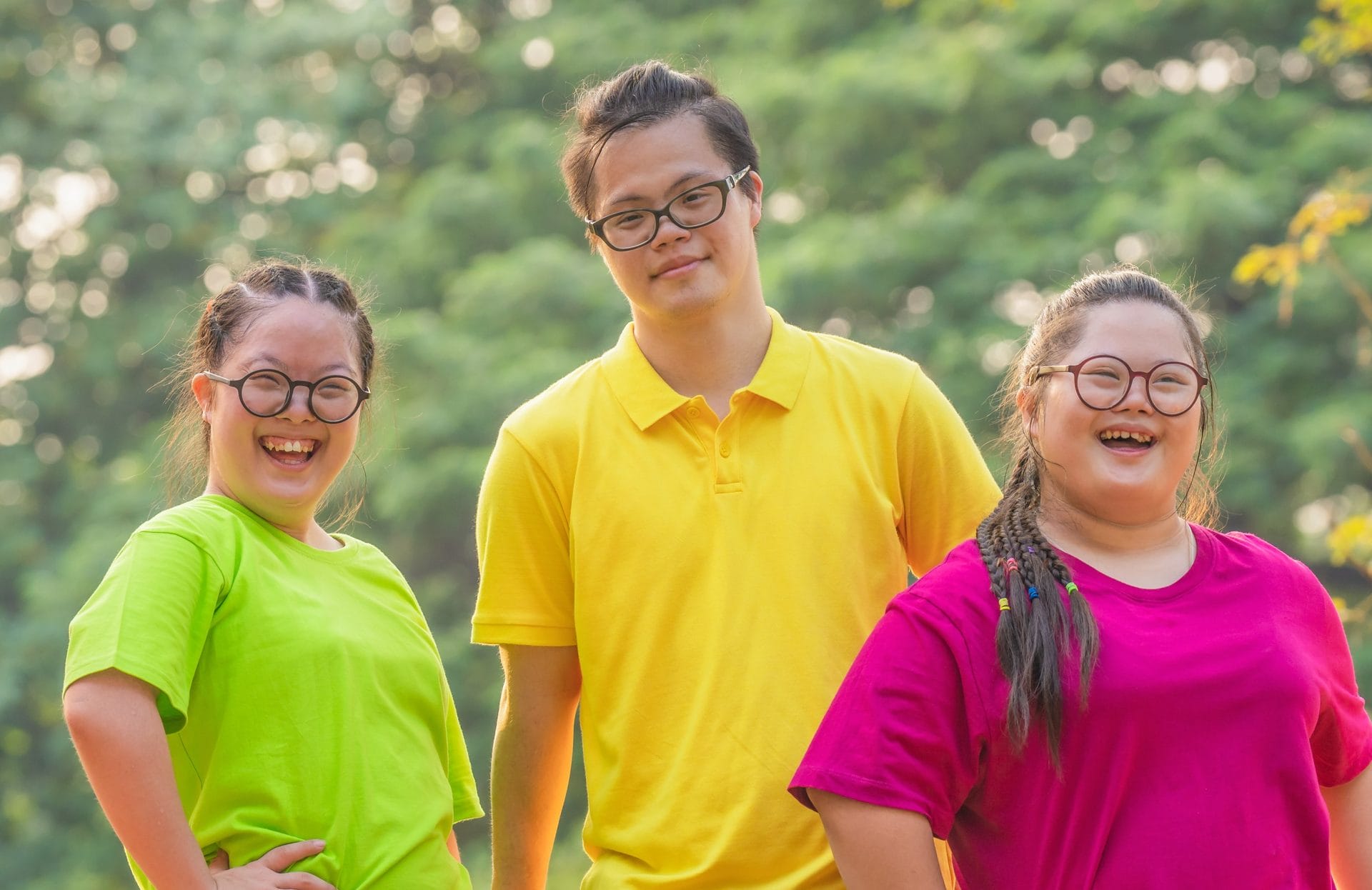
Group of three people with Down syndrome
Joining Down syndrome research is simple, safe, and powerful

How Your Participation Leads to Discoveries
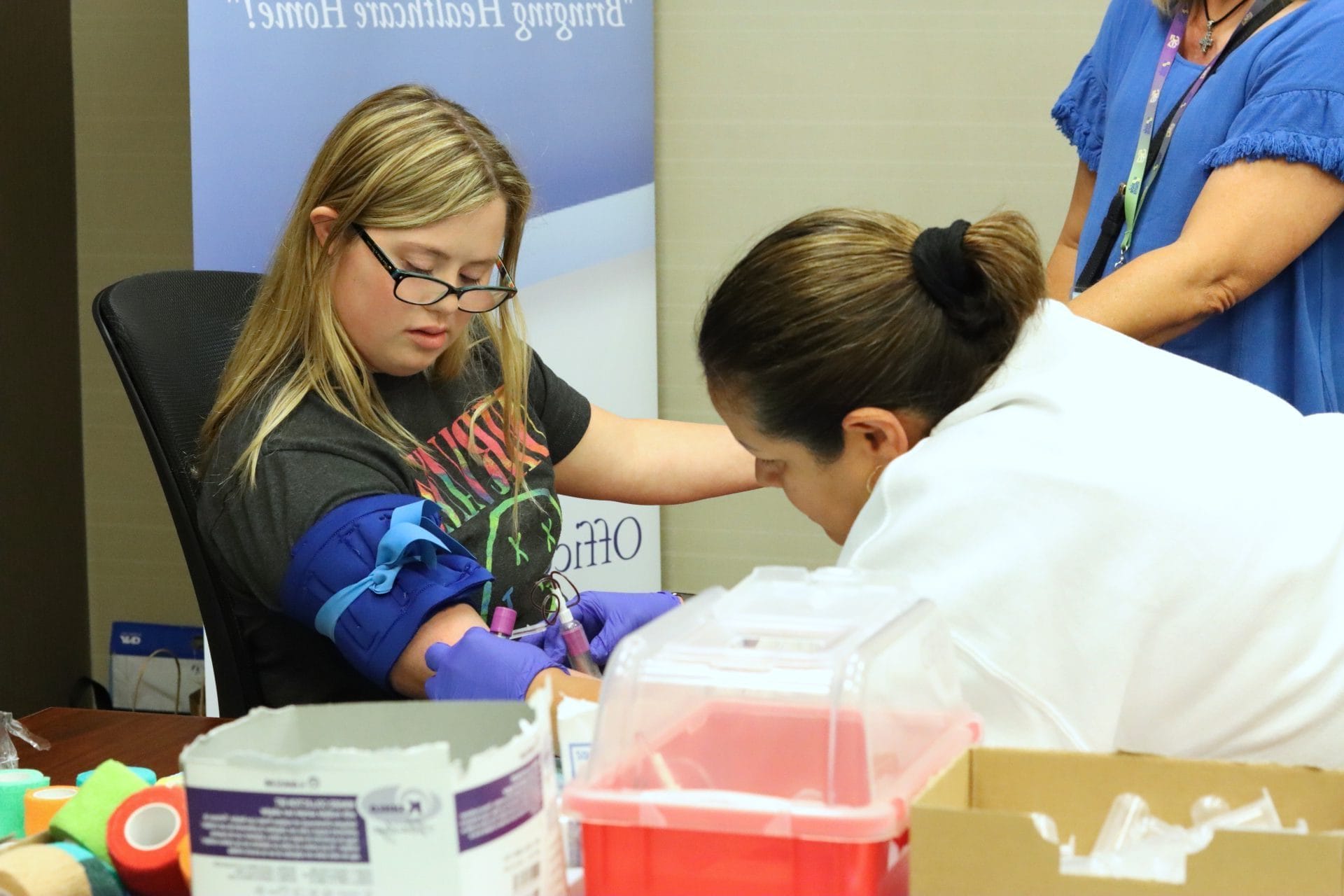
Young woman with Down syndrome giving a blood sample

A participant donates a biospecimen.

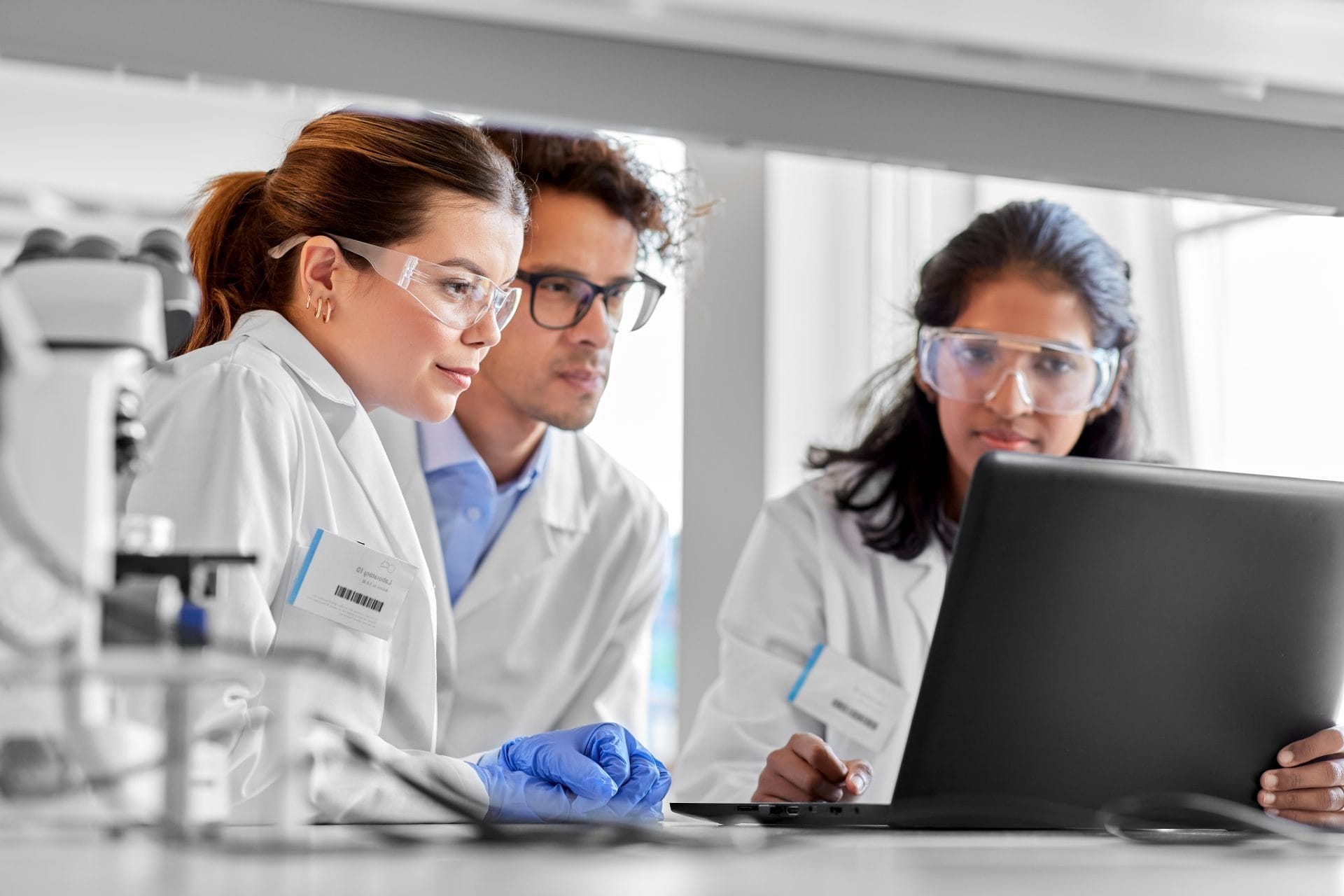
Three scientists looking at a laptop in a lab

Approved researchers access samples in the DS-Biorepository to conduct studies.
DNA decor
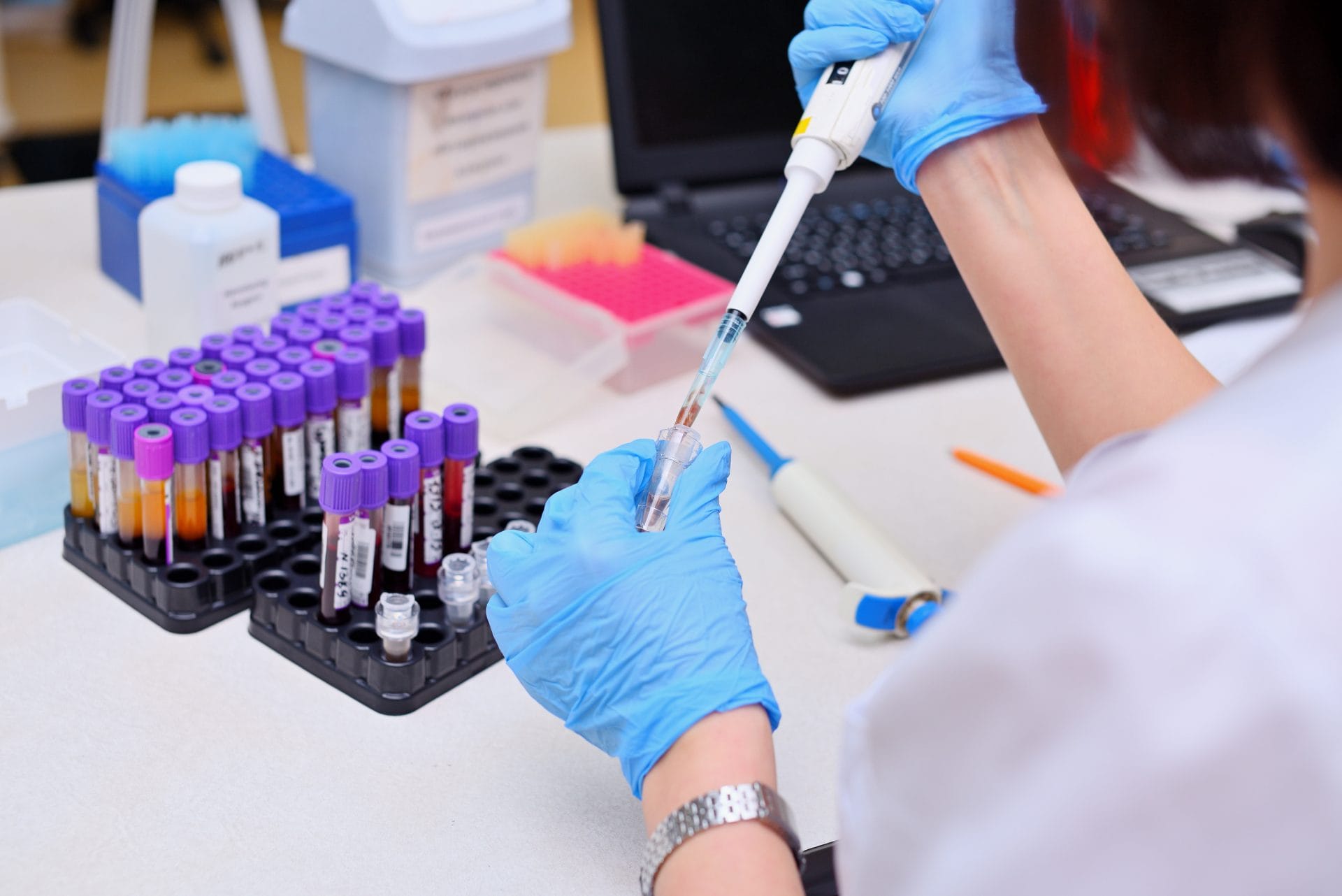
Scientist processing samples with a pipette

The sample is processed securely, following ethical and privacy standards.
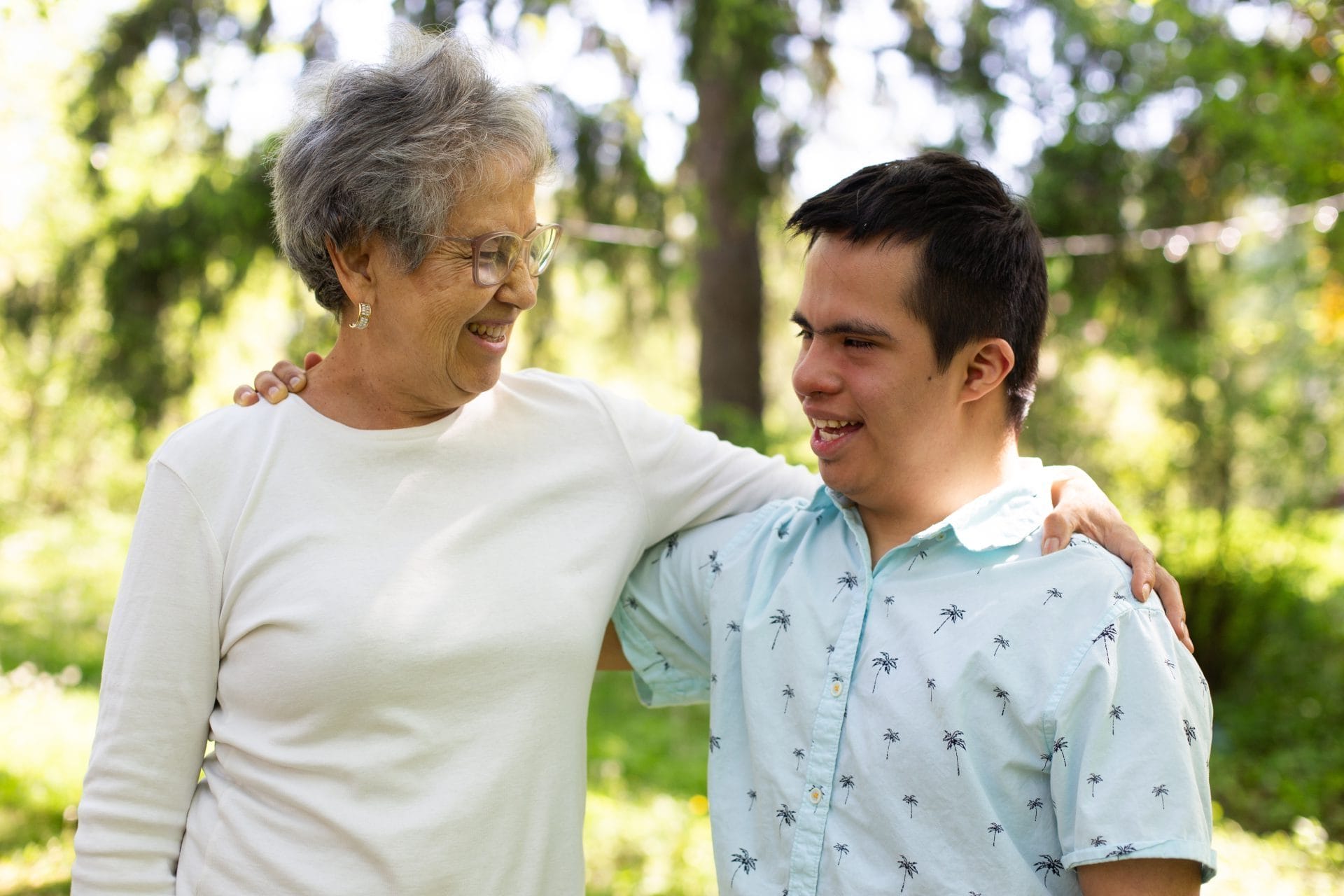
Man with Down syndrome smiling with his arm around an older woman

Discoveries help people with Down syndrome live longer, healthier lives.

How You Can Help Shape the Future of Down Syndrome Research

The INCLUDE DS-Biorepository is a centralized storage location for biological samples collected for Down syndrome research. However, the DS-Biorepository is more than a simple biobank. In addition to safely maintaining samples, we also support Down syndrome research by helping with protocol development, sample shipping logistics, and fostering scientific collaboration. We collect samples from across the United States as part of the INCLUDE Collaboration for Down syndrome Progress (DS-CDP) as well as other organizations involved in Down syndrome research.

The DS-Biorepository is not a study and is not recruiting participants directly.

Sometimes, it’s better to keep samples (like blood or tissue) at the place where they were collected. But scientists still want to know what samples are available for research. If the person who gave the sample said it was okay to share, the sample gets listed in a special online catalog called a virtual biorepository. This helps other scientists find and request samples they can use to study Down syndrome.

Often, there is no direct benefit to you or your loved one from participating in research, but scientists need samples from lots of people to make new discoveries. Even if you never find out how your sample was used, it could help scientists learn more and find ways to keep people with Down syndrome healthier in the future.

The INCLUDE DS-Biorepository doesn’t collect samples directly. Instead, it works with other programs that do, like the Human Trisome Project, the INCLUDE Collaboration for Down syndrome Progress (DS-CDP), the Alzheimer’s Biomarker Consortium – Down Syndrome (ABC-DS), and the Down Syndrome Biobank Consortium (DSBC). If you want to give a sample, you can ask about joining these studies.

No, your samples won’t be sold. The INCLUDE DS-Biorepository is a nonprofit, which means it doesn’t make money from your samples. Sometimes, our team may work with companies to use new technology in research, but the goal is always to help people with Down syndrome be as healthy as possible.

Only labs doing Down syndrome research can ask to use your samples. However, when a researcher requests access to your samples it does not mean that they will automatically receive them. A group of expert scientists and community members will review each request to make sure it is for appropriate use and will help the Down syndrome community.

No two people with Down syndrome are alike. By studying your samples (like blood or tissue), scientists can learn how Down syndrome affects each person in their own way. This research can also help us understand why people with Down syndrome often have other health problems, like Alzheimer’s disease, heart issues, skin problems and infections.

Before your sample (e.g. blood) is sent to the INCLUDE DS-Biorepository, your name and all personal details are removed. Scientists only see a special code made of letters and numbers instead of your identifying information. The place where you gave your sample keeps the link between your name and the code, so your privacy stays protected.

Samples are stored in ultra-low temperature storage conditions, including liquid nitrogen and -80°C freezers. We ensure the safety of your samples with back-up generators and an alarm system. If a power failure or large change in temperature is detected, on-site and dedicated laboratory staff are alerted and will restore samples before damage or loss occurs. These safety measures help ensure that these valuable research samples stay available for future researchers and maintain viability for the years to come.

The INCLUDE DS-Biorepository can’t contact you directly. If our team finds something atypical in your samples, we can contact the location where you gave your sample. If you consented to be contacted, the team at that location might be able to reach out to you or your doctor to share the results.

Yes! Access to brain tissue is important for researchers to understand and develop treatments for neurological conditions (such as Alzheimer’s disease) in people with Down syndrome. Research into conditions that affect the brain must be done on tissue that is donated after the person has passed away. When someone volunteers to donate their brain, and autopsy is performed as soon as possible after the individual has passed away. This procedure does not leave any marks on the hairline or face or prevent an open casket funeral if desired.

Anyone over the age of 18 can register to be a donor, including people with no obvious conditions. A family member can also consent to a brain donation on behalf of their loved one if the individual is unable to do so on their on. If you or anyone you know is interested in donating a sample, we encourage you to reach out to programs dedicated to this area of research, such as the Alzheimer Biomarkers Consortium-Down Syndrome (ABC-DS) or the Down Syndrome Biobank Consortium.